Public Transportation Costs in Stamford: Your Transit Budget Breakdown
Public transportation costs in Stamford average approximately $411 monthly when factoring in commuting needs and occasional trips. This figure runs 5.7% higher than the national average but provides excellent value compared to vehicle ownership expenses. Stamford public transportation options include Metro-North trains to New York City, CTtransit local buses, and supplementary rideshare services creating flexible mobility solutions.
What are transportation costs? They encompass all expenses related to getting around including transit fares, vehicle ownership, gas, insurance, parking, and maintenance. For Stamford residents, public transit offers cost-effective alternatives to car dependency. Metro-North monthly passes cost $297 for unlimited travel to Grand Central Terminal. Local buses run $1.75 per ride or $70 monthly for unlimited service. These predictable expenses help budget transportation without the variable costs of vehicle ownership.
Understanding Stamford's Transit Infrastructure
Stamford serves as a major transportation hub in southwestern Connecticut. The city's transit center connects Metro-North Railroad, Amtrak, CTtransit local buses, and Greyhound intercity service. This convergence creates exceptional mobility options for residents working locally or commuting to New York City and other Connecticut destinations.
Different Stamford neighborhoods offer varying levels of transit access. Areas near the downtown station provide the most convenient service. Residential neighborhoods farther from the center require local buses or personal vehicles to reach the train station. Housing location decisions directly impact transportation costs and convenience.
Transit Hub Advantages
Stamford's position on the Metro-North New Haven Line provides frequent service to Grand Central Terminal. Express trains reach Manhattan in about 45 minutes. Local trains take 55-65 minutes with intermediate stops. This schedule variety accommodates different commute preferences and flexibility needs.
The station also serves Amtrak's Northeast Corridor connecting Boston, New York, Philadelphia, and Washington DC. While more expensive than commuter rail, Amtrak offers faster travel for longer distances. Business travelers and occasional long-distance trips benefit from this additional service option.
Service Coverage Areas
CTtransit operates 11 local bus routes serving Stamford and connecting to nearby communities. Routes cover downtown, residential neighborhoods, shopping centers, and employment areas. However, service frequency varies by route with some running every 15-30 minutes while others operate hourly.
Evening and weekend service operates on reduced schedules. Some routes don't run Sundays or after 8 PM weekdays. This limitation affects shift workers, service industry employees, and social activities requiring late transportation. Understanding route schedules becomes essential for car-free living.
Metro-North Railroad Costs
Metro-North represents the primary public transportation option for many Stamford residents. Monthly unlimited passes cost $297 for peak travel to Grand Central Terminal. This fare allows unlimited trips throughout the month including weekends and holidays. Off-peak monthly passes cost less but restrict travel times during weekday rush hours.
One-way peak tickets to Grand Central cost $15.75. Off-peak one-way fares run $11.75. Round-trip tickets provide small discounts versus buying separate one-way fares. Ten-trip tickets offer savings for occasional riders not needing full monthly passes. Young professionals commuting to NYC typically find monthly passes provide the best value.
Monthly Pass Economics
A $297 monthly pass breaks down to about $13.50 per weekday for standard 22-workday months. This cost covers round-trip commutes making it economical for daily riders. However, work-from-home schedules complicate the calculation. Hybrid workers in the office three days weekly might save money buying individual tickets.
Calculate your actual commute frequency before committing to monthly passes. Remote work, vacation days, and holidays reduce effective cost per trip. Some employers offer pre-tax transit benefits allowing you to purchase passes with pre-tax dollars. This saves 20-30% through reduced income tax obligations.
Peak vs. Off-Peak Considerations
Peak fares apply to trains arriving Grand Central before 10 AM and departing between 4-8 PM weekdays. Off-peak rates cover all other times including weekends and holidays. This pricing structure encourages ridership spreading across time periods reducing rush hour crowding.
Flexible work schedules allowing off-peak travel generate significant savings. Someone able to travel mid-day or early morning might save $80-100 monthly using off-peak fares. However, many employers require standard business hours eliminating this option for most commuters.
Express vs. Local Service
Express trains skip smaller stations reaching Grand Central faster. These trains typically run during peak commute hours serving high-demand periods. Local trains stop at all stations taking longer but providing access to more destinations along the route.
Express service doesn't cost extra despite time savings. However, express trains fill quickly during rush hours. Some commuters specifically time arrivals for express departures maximizing commute efficiency. The 10-15 minute time difference adds up over weekly commutes.
CTtransit Local Bus Service
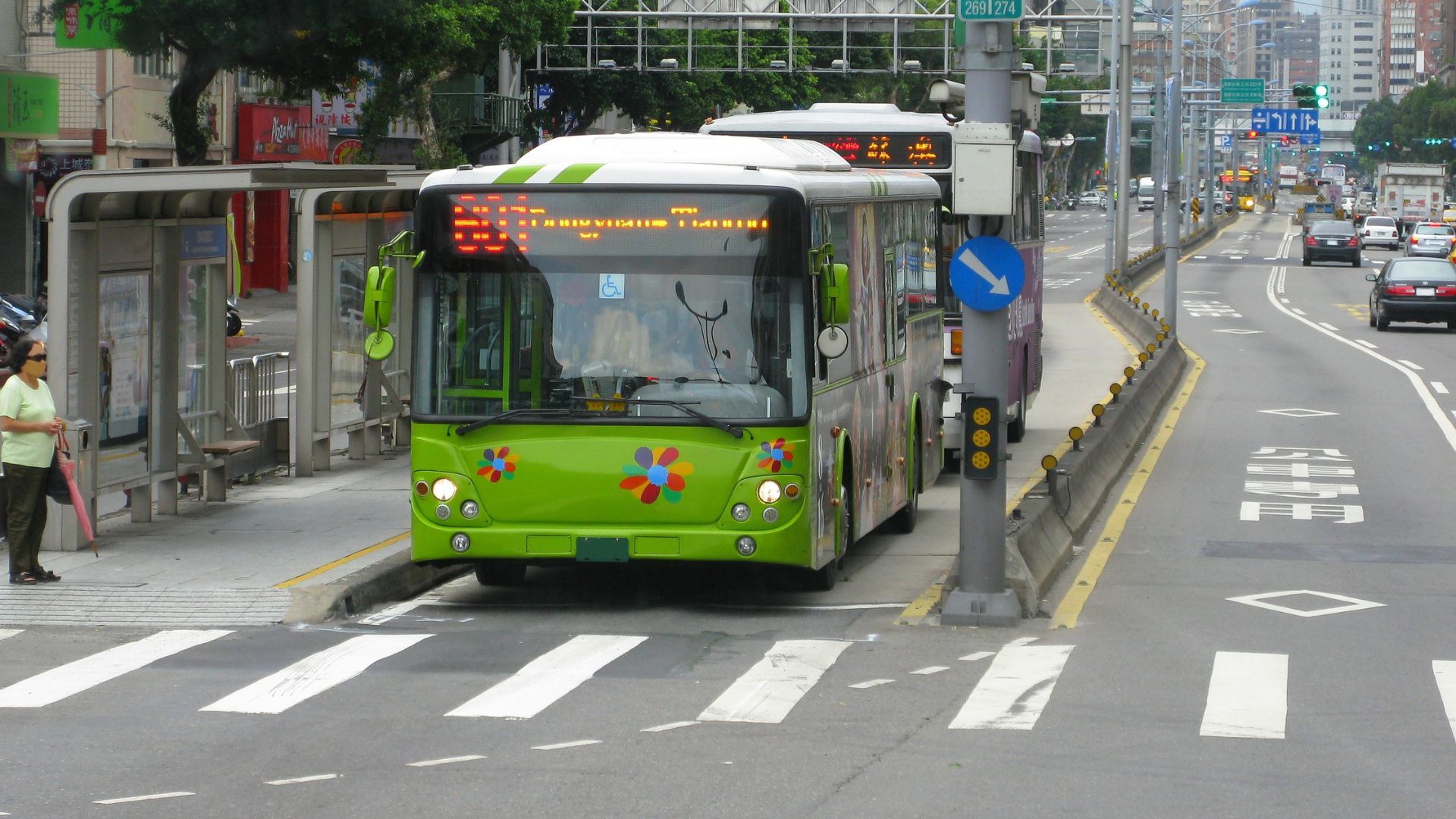
CTtransit buses provide local transportation throughout Stamford and connections to neighboring towns. Single rides cost $1.75 paid with exact change, CTtransit fare cards, or mobile apps. Day passes cost $3.50 allowing unlimited rides within 24 hours. Monthly passes run $70 providing unlimited local bus travel.
Bus service works well for local errands, getting to work within Stamford, or reaching the train station from residential neighborhoods. However, route coverage limitations and reduced evening/weekend schedules create challenges for some residents. Understanding the system before eliminating vehicles prevents mobility problems.
Route Network Coverage
CTtransit operates routes covering major corridors throughout the city. Key routes include:
- Route 1 connecting downtown with residential areas along the Post Road
- Route 3 serving Springdale and northern neighborhoods
- Route 4 providing access to Shippan Point and waterfront areas
- Route 11 connecting to Norwalk with stops at major shopping centers
- Route 13 serving Turn of River and eastern neighborhoods
Each route operates on different schedules with varying frequency. High-ridership routes run every 20-30 minutes during peak hours. Lower-demand routes might operate hourly. Checking specific route schedules prevents long waits at bus stops.
Transfer Capabilities
CTtransit allows free transfers between routes within two hours of initial boarding. This policy enables multi-leg trips without additional fares. Planning trips requiring transfers extends transit coverage beyond single-route limitations.
The downtown transit center serves as the main transfer hub. Most routes converge there allowing connections throughout the system. However, timed transfers aren't guaranteed. Missed connections might mean 30-60 minute waits for next buses depending on route frequency.
Monthly Pass Value
The $70 monthly pass costs less than 40 single rides. Anyone using buses eight or more times weekly benefits from monthly passes. Daily commuters using buses to reach train stations find monthly passes essential. Students, seniors, and disabled riders qualify for reduced fares lowering costs further.
Monthly passes can be loaded onto reusable fare cards or accessed through mobile apps. The convenience of not handling cash or exact change adds value beyond pure economics. Simply tapping the card or showing your phone expedites boarding and reduces transaction friction.
Comparing Transit to Vehicle Ownership
What are transportation costs? For vehicle owners, expenses include car payments, insurance, gas, parking, maintenance, and depreciation. These combined costs typically exceed $500-800 monthly. Public transportation costs in Stamford at roughly $411 monthly include both commuter rail and local bus access providing substantial savings.
Comprehensive cost analysis shows transportation running 6.2% higher than national averages. However, this reflects both transit users and vehicle owners. Pure transit users spend less while car owners pay significantly more than national norms due to Connecticut's high insurance rates and parking costs.
Vehicle Ownership Expenses
Cars involve multiple ongoing costs beyond initial purchase price. Financed vehicles require monthly payments averaging $300-600 depending on price and loan terms. Insurance in Connecticut costs $150-250 monthly due to high regional rates. Gas adds $150-300 monthly based on commute distance and vehicle efficiency.
Maintenance and repairs average $100-200 monthly when annualized. Oil changes, tire rotations, brake work, and unexpected issues all require budget allocation. Parking costs extra in many downtown buildings and work locations. These combined expenses make vehicle ownership expensive compared to public transit.
Transit Cost Advantages
Metro-North monthly passes at $297 cost less than typical car payments alone. Adding $70 local bus passes totals $367 monthly for complete mobility. This combined cost falls below vehicle ownership while eliminating parking, maintenance, and insurance concerns.
Transit riders avoid depreciation costs that consume thousands annually on new vehicles. Cars lose 15-20% of value in the first year and continue depreciating over time. This hidden cost doesn't appear in monthly budgets but represents real financial loss. Transit fares provide transportation without asset depreciation.
Flexibility and Convenience Tradeoffs
Vehicles offer spontaneity and door-to-door convenience that transit can't match. Late-night activities, shopping trips with bulky items, and suburban destinations with poor transit access all favor car ownership. Transit requires planning around schedules and accepting walking portions of trips.
However, transit eliminates parking hassles and commute stress. Reading, working, or relaxing during train rides provides productivity impossible while driving. Some commuters value this time of recovery more than vehicle convenience. The right choice depends on personal priorities and lifestyle requirements.

Rideshare and Supplementary Options
Pure transit living often requires occasional rideshare or taxi use. Uber and Lyft fill gaps when bus schedules don't align with needs or destinations lack transit access. Budgeting $50-100 monthly for supplementary rideshare maintains transit-primary lifestyle while covering exceptional situations.
Typical Uber trips within Stamford cost $8-15 depending on distance and time. Trips to nearby towns run $20-35. These occasional costs added to monthly transit passes still total less than vehicle ownership. The key involves discipline avoiding rideshare becoming default transportation rather than supplement.
Zipcar and Car-Sharing
Zipcar operates in Stamford providing hourly car rentals for members. Membership costs $9 monthly plus hourly rates around $10-15 including gas and insurance. This service works well for grocery shopping, furniture pickups, or day trips requiring vehicles.
Occasional Zipcar use combined with daily transit creates flexible mobility without ownership costs. Weekend trips or specific errands justify short-term rentals. The availability of vehicles when needed without ongoing payments appeals to urban residents embracing car-free lifestyles.
Bike and Scooter Options
Stamford supports cycling infrastructure with bike lanes on major roads. Personal bikes provide free local transportation supplementing transit for short trips. Folding bikes can board trains during off-peak hours, expanding cycling range beyond Stamford.
Electric scooters and bikes offer powered assistance for hillier areas or longer distances. Personal e-bikes cost $800-2,000 upfront but eliminate ongoing fuel costs. Some residents combine bikes for local travel with trains for longer commutes creating low-cost mobility.
Location-Based Transit Strategies
Housing location dramatically affects public transportation costs in Stamford and convenience. Living within walking distance of the train station eliminates local bus needs. Apartments near transit save time and money compared to car-dependent neighborhoods.
Affordable areas near transit provide the best value for budget-conscious commuters. Some neighborhoods offer lower rent than downtown but require bus connections adding time and complexity. Others cost more monthly but enable walking to trains eliminating local transit needs entirely.
Downtown Living Benefits
Downtown apartments command premium rents but provide unmatched transit access. Walking to the train station takes 5-10 minutes from most downtown locations. This convenience enables car-free living without depending on bus schedules. Time savings compound over daily commutes.
Grocery stores, restaurants, and services within walking distance reduce total transportation needs. Some downtown residents rarely leave walkable areas except for work commutes. This lifestyle minimizes transportation costs while maximizing convenience.
Suburban Transit Access
Residential neighborhoods farther from downtown offer more space and lower rents. However, reaching the train station requires local buses or vehicles. Morning bus connections add 15-30 minutes to total commute times. Evening returns require coordinating train and bus schedules.
This tradeoff works well for some households. Families needing multiple bedrooms find suburban neighborhoods more affordable. The housing savings offset somewhat longer commutes and local transportation complexity. Evaluating total costs including housing and transit reveals the best value.
Employer Transit Benefits
Many Stamford employers offer pre-tax transit benefits helping employees save on commuting costs. These programs allow purchasing monthly passes with pre-tax dollars. Federal law permits up to $315 monthly in pre-tax transit benefits. This saves roughly $75-95 monthly through reduced income taxes.
Some employers subsidize transit passes directly providing free or discounted monthly passes. This benefit effectively increases compensation without additional salary. Asking about transit benefits during job negotiations makes sense given substantial monthly savings potential.
Commuter Savings Accounts
Transit pre-tax benefits work through commuter savings accounts similar to FSAs. Employees elect monthly deductions from paychecks before taxes. These funds load onto transit cards or purchase monthly passes. Proper planning ensures deductions match actual transit expenses.
The tax savings make commuter benefits valuable even for moderate-income workers. Someone in the 22% federal tax bracket saves $65 monthly on a $297 pass through pre-tax purchase. State tax savings add another $10-15 depending on Connecticut tax brackets. Combined savings exceed $900 annually.
Planning Your Transit Budget
Calculating accurate public transportation costs in Stamford requires evaluating personal commute patterns. Daily New York City commuters need Metro-North monthly passes. Local workers might need only bus passes. Hybrid schedules complicate calculations requiring custom analysis.
Track actual travel patterns for several weeks before committing to monthly passes. Occasional commuters sometimes save money with ten-trip tickets or pay-per-ride rather than monthly unlimited passes. Work-from-home frequency particularly affects optimal fare structures.
Monthly Cost Scenarios
Different lifestyle patterns create varying transportation budgets:
- Daily NYC commuter: $297 Metro-North pass plus occasional $70 local bus pass totals approximately $367 monthly
- Local Stamford worker: $70 bus pass plus occasional Uber supplements totals around $120 monthly
- Hybrid commuter (3 days/week NYC): Individual Metro-North tickets approximately $190 monthly plus $50 Uber totals $240
- Car owner with occasional transit: Parking pass $150, insurance $200, gas $150, maintenance $100 totals $600 monthly
- Transit-primary with rideshare backup: $297 Metro-North, $70 bus, $80 Uber totals approximately $447 monthly
These scenarios show wide cost variation based on personal situations. Optimizing transportation spending requires honest assessment of actual needs and usage patterns.
Making Transit Work for You
Stamford public transportation provides viable car-free living for appropriately situated residents. Young professionals often embrace transit lifestyles while building careers and savings. Families might need vehicles for children's activities and flexibility despite higher costs.
The decision between transit and vehicle ownership involves both financial and lifestyle factors. Transit saves substantial money while requiring scheduled accommodation and trip planning. Vehicles cost more but provide spontaneity and convenience. Many households find hybrid approaches work best using transit for commuting while maintaining one vehicle for family needs.
Understanding public transportation costs in Stamford helps make informed decisions about housing location, vehicle ownership, and monthly budget allocation. The city's excellent transit infrastructure supports low-cost mobility for residents willing to build lifestyles around public transportation schedules and capabilities.